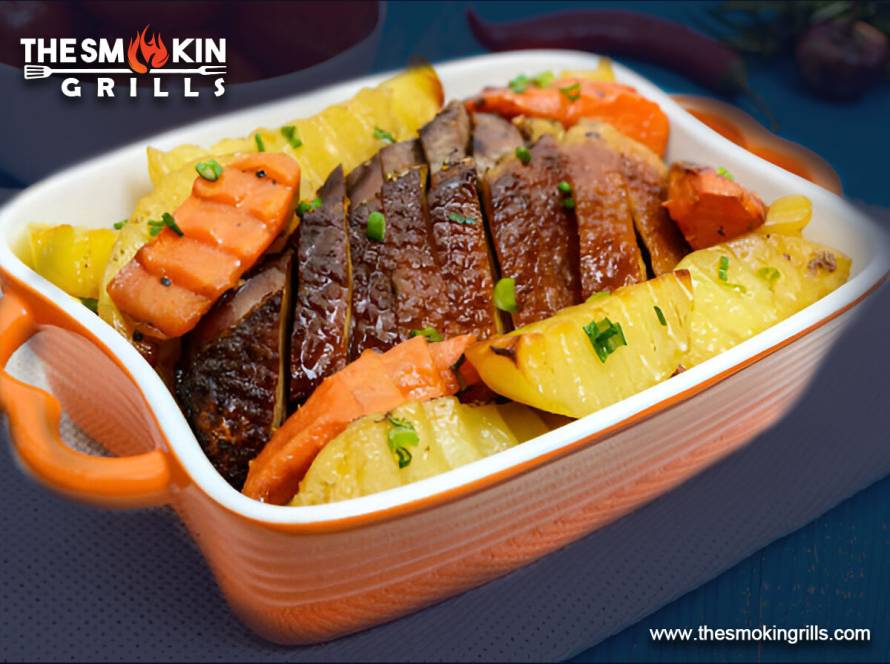
Balsamic glaze is a simple way to boost flavor. It adds sweetness and richness to food. Many people enjoy it with grilled vegetables. It creates a perfect balance of taste. Cooking at home becomes easier with balsamic glaze. You do not need complex steps. You only need basic ingredients and simple methods.
Grilled vegetables are healthy and tasty. But they can sometimes feel plain. Adding balsamic glaze makes them more exciting. It gives a sweet and tangy flavor. Many home cooks use this method every day. It is quick and very effective. You can use it for lunch or dinner. It works well for family meals and small gatherings. Smokingrills also shares helpful ideas to improve grilling results.
Ingredients
Here are the basic items you need. These are simple and easy to find.
For vegetables
- Zucchini
- Bell peppers
- Eggplant
- Mushrooms
- Asparagus
- Olive oil
- Salt
- Black pepper
For glaze
- Balsamic vinegar
- Honey or sugar
These are common balsamic glaze ingredients. They create a rich and smooth texture.
You can also add garlic or herbs. This improves taste further.
Step-by-Step Process
Balsamic glaze can be used to cook vegetables, and make the simple ones a tasty, fancy meal. A step by step process will make it successful even to the beginners. Each step should be taken at a time and you will have the best grilled vegetables all the time. Minor aspects such as the act of cutting, seasoning, and timing are important in grilling.
It can be useful to prepare your ingredients first before you begin to cook. Have the glaze, oil, and spices at hand. Being prepared simplifies the cooking process and eliminates errors. Smokingrills advises to have all the tools and ingredients ready beforehand to save time and not to overcook.
Step 1: Prepare Vegetables
Begin by cleaning all vegetables under running water. This eliminates dirt, pesticides and bacteria. There are no harmful consequences of consuming vegetables that are clean, and they also taste better. Fresh and firm vegetables are the best to use as they will provide the best taste and texture.
Prepared and cut vegetables to make them evenly cooked. Irregular sizes may lead to overcooking and undercooking of some of the pieces. You can also remove hard stems or seeds of vegetables such as bell pepper and eggplants. To enhance taste and appearance, it is better to select colorful vegetables.
Step 2: Season Vegetables
Once cut, add olive oil, salt and black pepper. Gently toss the vegetables to cover them. The correct seasoning at this stage will create a flavor base that will make the food taste better after grilling.
It is also nice to sprinkle it with balsamic glaze seasoning. Aroma can be added by adding herbs such as oregano or thyme. Light seasoning is the best option since the glaze will contribute to its sweetness and tanginess in the future. Do not overpower spices to maintain the natural vegetable flavors.
Step 3: Heat the Grill
Preheat the grill to medium heat. Medium heat ensures vegetables cook evenly without burning. Smokingrills emphasise that slow, steady heat gives the best caramelization and flavor.
Clean the grill surface before placing vegetables. A clean grill prevents sticking and ensures even grill marks. Avoid using high heat at this stage because it can char the vegetables outside while leaving the inside raw. Medium heat allows better control and flavor development.
Step 4: Grill Vegetables
Arrange vegetables on the grill, with a space between them. The traps do not allow steam to escape leading to improper caramelization. Adequate spacing will provide a smoky, grilled taste.
Turn vegetables after every several minutes to cook evenly. Different vegetables require varying time to cook hence watch the time of various vegetables. The quicker cooking of softer vegetables such as zucchini and mushrooms and longer cooking time of denser vegetables such as asparagus and eggplant are explained. It is recommended to brush with a little oil when grilling to keep the food moist and to prevent sticking.
Step 5: Make the Glaze
Pour balsamic vinegar into a small pan and heat on low flame. Allow to simmer to decrease and condense. This forms a sweet, sticky consistency that is coiled on the vegetables.
Honey or sugar can be added to it to add sweetness. Stir carefully so as not to burn. The back of a spoon should be covered with the glaze that is thick and yet pourable. Smokingrills recommends to monitor the reduction since excessively cooking may result in the glaze being too sticky or bitter.
Step 6: Final Touch
Take grilled vegetables off the grill and put them in a serving plate. Give them a minute to keep warm and juices to redistribute.
Sprinkle the balsamic glaze all over the vegetables. Gently toss until all pieces are coated. The glaze is used to provide the gloss and richness of flavor. Eat warm and fresh to taste the best. Fresh herbs or a bit of grated cheese can be sprinkled over it as well to add flavor and appearance.
Tips for better flavor

Good cooking needs small details.
- Always use fresh vegetables.
- Cook the glaze only a little way.
- Apply glaze following grilling.
- Use light seasoning
These are the tips that can assist you in achieving flawless results.
Serving ideas
Presentation is important.
- Serve on a plate with herbs
- Add cheese for richness
- Use colorful vegetables
Grilled vegetables with balsamic glaze look attractive. They also taste amazing.
Conclusion
It is easy and enjoyable to cook when you have the right ingredients. Balsamic glaze is a simple and easy way to make meals more appetizing. It gives a sweet and tangy flavor that is an addition to any grilled vegetable making ordinary foods something special. Smokingrills gives useful information on how to grill and glaze in order to make it easier to get perfect results, especially to beginners.
There are numerous variations that can be tried at home. Experiment with various herbs, spices or add a little honey to make it sweeter. Continue to experiment with new flavor combinations and serving ideas. Finally, balsamic glaze is the perfect addition to grilled foods and by following the instructions of Smokingrills you will always make sure that your vegetables have a perfect taste.
FAQs
What is balsamic glaze made of
It is made from vinegar and sugar. These balsamic glaze ingredients create thick sauce.
Can I make it at home
Yes, follow a simple balsamic glaze recipe. It is easy and quick.
When should I add glaze
Add after grilling. This keeps the flavor fresh.
Is it healthy
Yes, but use small amounts. Watch calories in balsamic glaze.
What foods go best with it
Vegetables, chicken, and salads taste great. Grilled vegetables with balsamic glaze are very popular.
Can I store it
Yes, keep it in the fridge. Use within two weeks.